
Listen to the short
In this episode
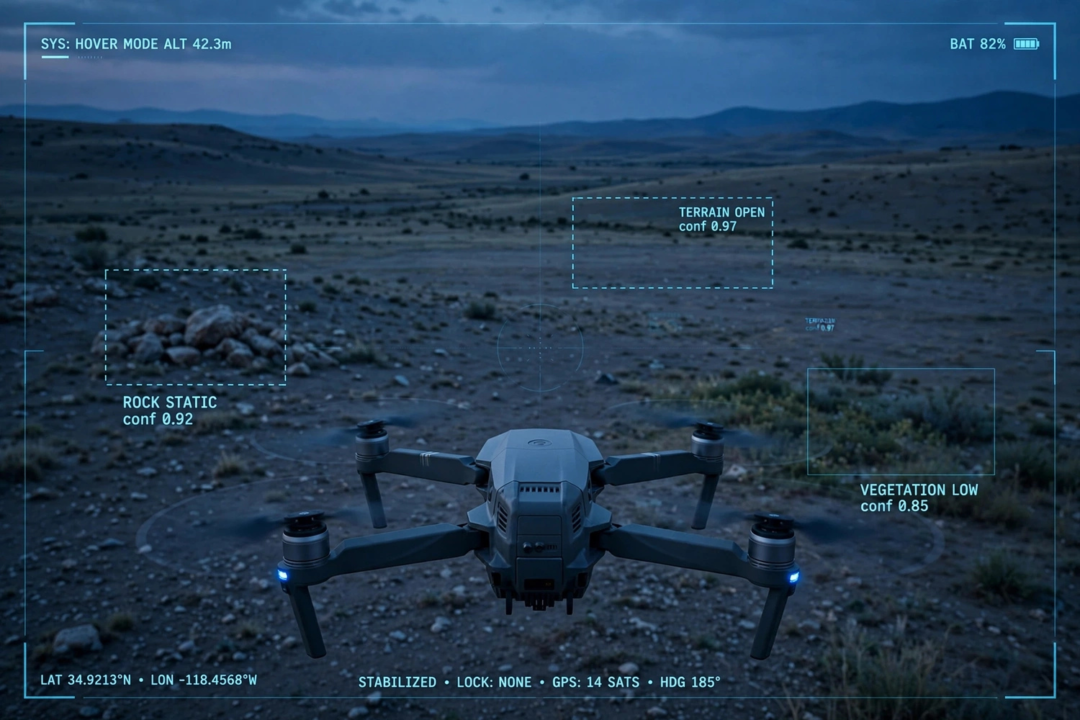
AI and autonomous weapons are a topic of significant concern and debate in the fields of artificial intelligence, ethics, and international law. Autonomous weapons, often referred to as “killer robots,” are weapons systems that can identify, target, and engage targets without human intervention. These systems typically rely on AI and machine learning technologies for decision-making and operation. Here are some key points to consider in the discussion of AI and autonomous weapons:
1. Lethal Autonomy
Autonomous weapons systems have the capability to make life-and-death decisions on their own, such as whether to fire a missile or deploy lethal force. This raises ethical questions about who should have the authority to make such decisions and whether machines should be entrusted with lethal power.
2. Reduced Human Involvement
The primary concern with autonomous weapons is the reduced or eliminated human involvement in the decision-making process. This can lead to situations where machines may not fully comprehend the context, nuances, or ethical considerations of a particular military operation.
3. Accuracy and Precision
Proponents argue that AI-powered autonomous weapons could potentially increase the accuracy and precision of military operations, reducing collateral damage and civilian casualties. However, the reliability of AI systems in complex and dynamic combat scenarios remains a concern.
4. Ethical Concerns
The use of autonomous weapons raises ethical dilemmas, including questions about responsibility and accountability for their actions. If an autonomous weapon makes a mistake or commits a war crime, who should be held responsible—the operator, the developer, or the machine itself?
5. Proliferation and Arms Race
The development and deployment of autonomous weapons could trigger an arms race as nations seek to outpace each other in the development of these technologies. This could lead to a dangerous escalation of military capabilities.
6. Human Rights and International Law
The use of autonomous weapons must comply with international humanitarian law (IHL) and human rights law. There are concerns that autonomous weapons may not always be capable of distinguishing between combatants and civilians, potentially violating these legal frameworks.
7. Ban and Regulation
Various organisations, including the Campaign to Stop Killer Robots, advocate for a ban on fully autonomous weapons. Others argue for strict regulations and oversight to ensure responsible use and prevent misuse.
8. Artificial Intelligence in Defence
AI is not limited to autonomous weapons. It is also used in defence for tasks like threat detection, logistics, and cybersecurity. Responsible AI development and adherence to ethical guidelines are important in these applications as well.
9. Public Opinion and Accountability
There is growing public awareness and concern about the use of AI in defence and security. Civil society organisations, academia, and the tech industry play a role in advocating for responsible AI practices and holding governments accountable.
The discussion around AI and autonomous weapons is ongoing, with a range of perspectives on how to address the challenges they pose. It involves not only technological considerations but also ethical, legal, and geopolitical dimensions. International cooperation and dialogue are crucial to developing norms and regulations that ensure the responsible use of AI in military and defence contexts while upholding human rights and international law.