

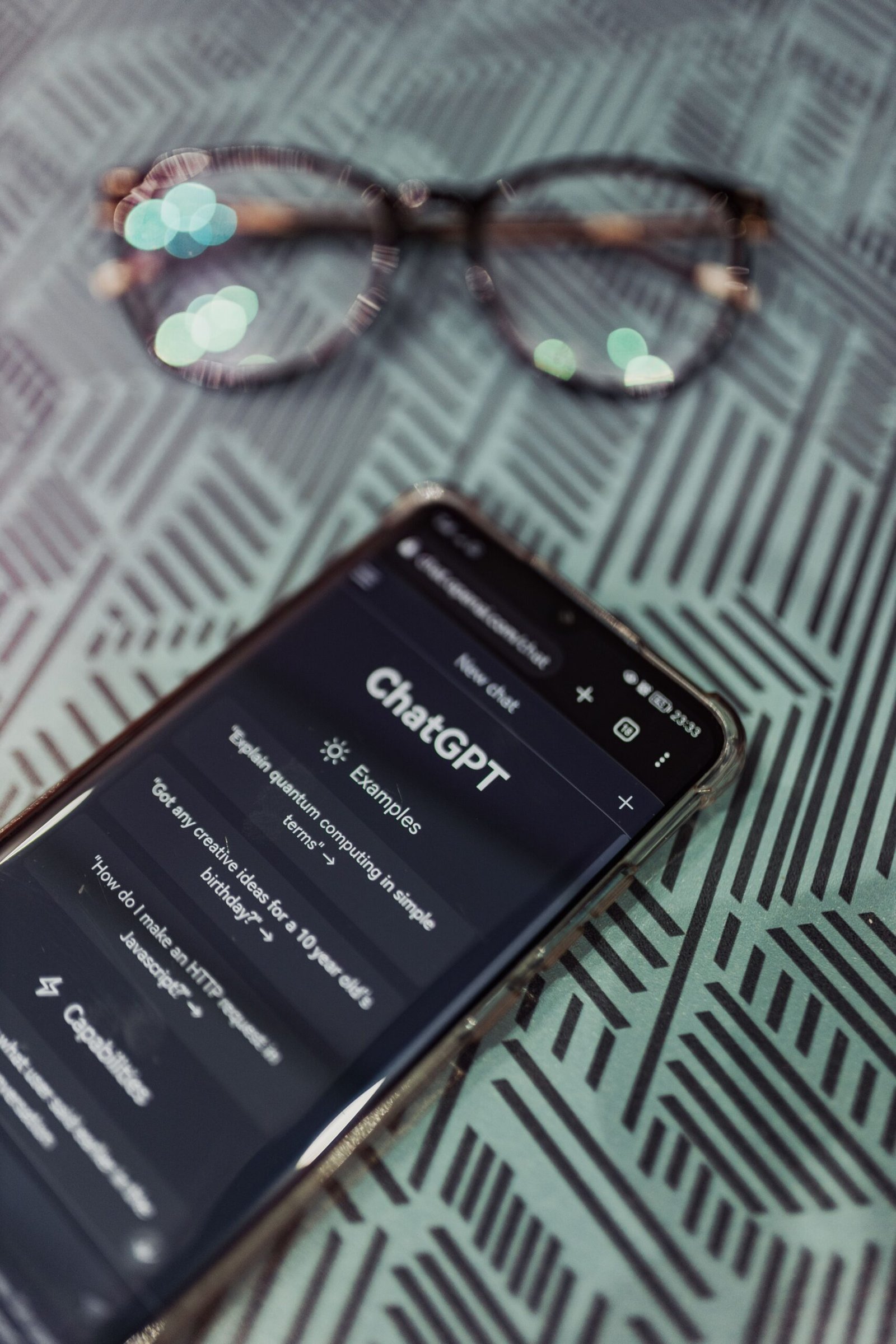
ChatGPT’s global launch in December 2022 caught the industry’s attention immediately. Speaking to Business Post editor Emmet Ryan, I described it as “a highly capable linguistic superbrain,” and the first time a tool like this had been made available to the general public.
OpenAI’s decision to release it for free wasn’t generosity, it was strategy. Every conversation feeds back into training the model. I’d been shocked by how advanced it already was, though it had also thrown back plenty of nonsense, exactly the kind of feedback OpenAI needed.
These models need to be trained, and releasing ChatGPT this way was part of that training. OpenAI is aware of the risk of bias, and that chatbots like this can be used malevolently, that risk doesn’t disappear just because the tool is impressive.
OpenAI has been gradual in how it’s rolled the system out, deliberately limiting what ChatGPT can do at each stage. It’s proven especially strong at fiction, and it’s good at providing context alongside its answers, not just flat responses.
The company with the most to worry about isn’t a media outlet or a university, it’s Google. Search means wading through ads before reaching real information. ChatGPT skips that step entirely, and it’s genuinely strong at copywriting too.
“It could replace a certain type of worker.”
I checked it against my own business content for plagiarism risk, and it came back clean.