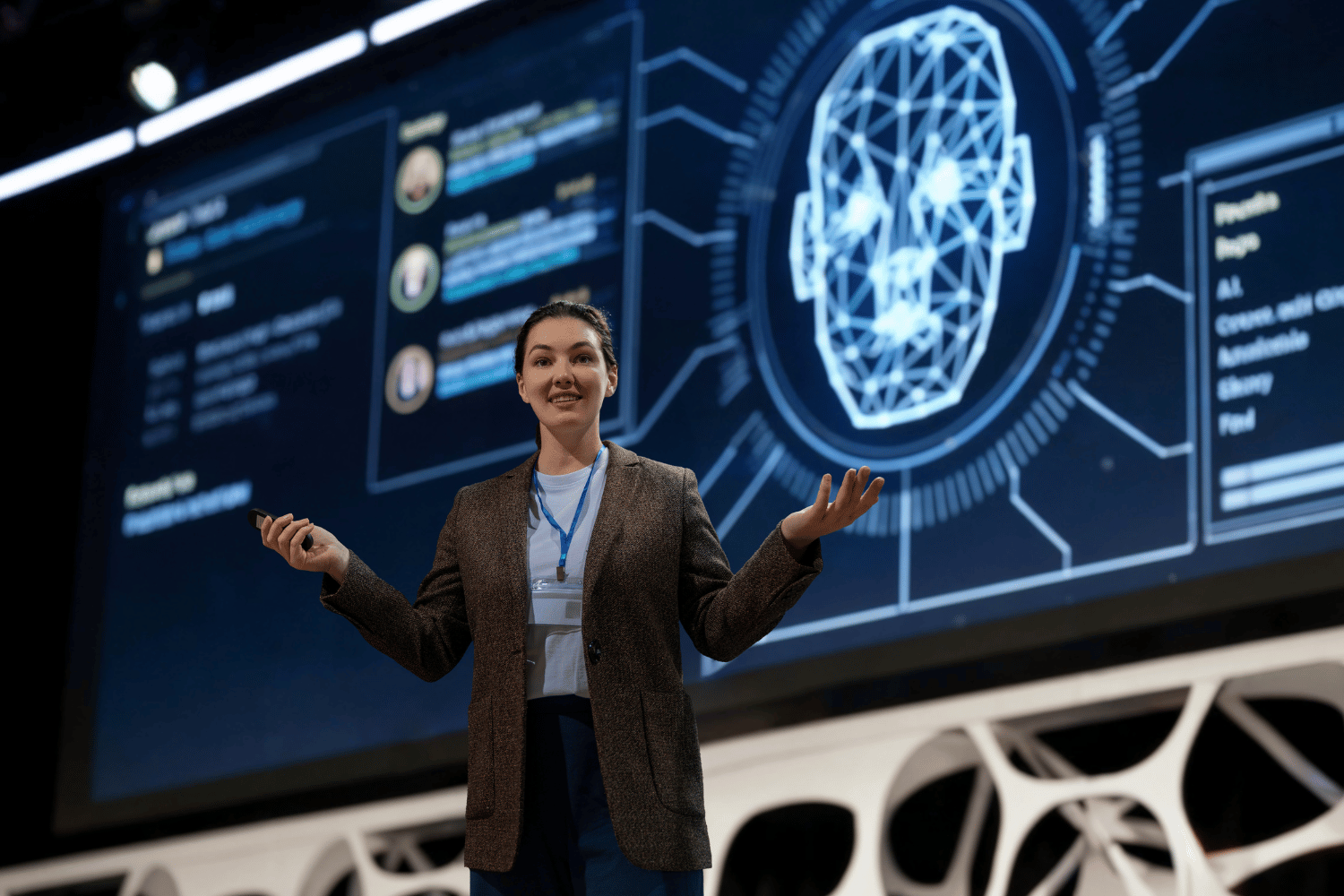
AI and the digital economy are rewriting the jobs market, and they are doing it fast. The World Economic Forum’s Future of Jobs Report 2025 expects 170 million new roles by 2030 and 92 million to disappear. That is a net gain of 78 million. Many of these are not old jobs with new tools bolted on. They are new careers built around data, automation, and the digital economy itself. This guide covers six of the strongest jobs in the age of AI. For each one, you will see the real demand behind it and the skills that make it last.
How Jobs in the Age of AI Are Changing
The pattern is consistent across every sector the WEF surveyed. Automation and machine learning are absorbing routine, repeatable tasks. Meanwhile, demand is rising for people who can build, direct, and question those systems. In its 2025 report, 86% of employers said they expect AI to transform their business by 2030.
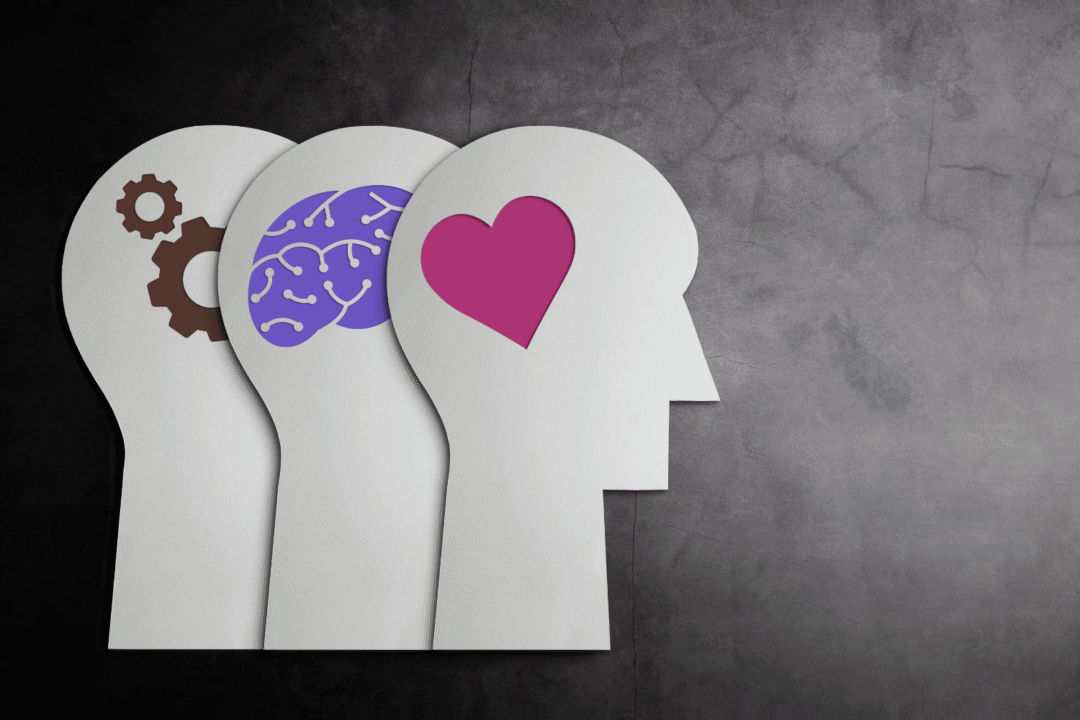
In practice, the safest roles are rarely the most technical or the most creative on their own. They are the hybrid ones. Think of a data scientist who can explain findings to a board. Or a marketer who reads an algorithm and still writes a human sentence. In my own advisory work, the roles I see pulling ahead fastest are exactly these in-between ones. They go to people who can speak both “machine” and “human”, and translate between the two.
The Top 6 Jobs in the Age of AI
1. Data Scientist
Data scientists turn large, messy datasets into decisions. They build predictive models, run statistical analysis, and apply machine learning. In short, they answer questions like why customers churn or where a supply chain will fail next. The demand is real. The US Bureau of Labor Statistics projects 36% growth in data scientist jobs between 2023 and 2033. That is several times the average for all occupations. Still, the strongest candidates pair the maths with communication, because a model nobody trusts never gets used.
2. AI Ethicist
As AI moves into hiring, lending, healthcare, and policing, someone has to ask whether it should. AI ethicists assess the risks and biases in these systems. They also help organisations deploy them responsibly. The role has shifted from “nice to have” to “legally necessary” as rules like the EU AI Act take effect. It suits people who can sit between engineering, law, and leadership, and who are comfortable saying no. If the moral weight of these systems interests you, my blog on the risks of unchecked AI explores why this work matters.
3. Digital Marketing Specialist
Marketing has become one of the most AI-saturated professions there is. Specialists now use AI to segment audiences, personalise content, and read campaign data in real time. However, the job still rewards a rare mix. You need the analytical side to interpret the data, and the creative side to produce work worth promoting. As routine optimisation gets automated, human judgement about brand, story, and timing is what keeps a marketer valuable.
4. AI / Machine Learning Engineer
If data scientists find the insight, machine-learning engineers turn it into a working product. They build, train, and deploy the models behind everything from recommendation engines to fraud detection. They also keep those models running once real users depend on them. The WEF ranks AI and machine-learning specialists among the fastest-growing roles of the decade. Naturally, the salary premiums reflect how hard the talent is to find. The job rewards strong software engineering on top of solid machine learning. It also demands the discipline to turn a prototype into something a business can trust.
5. Virtual Reality Developer
VR and AR developers build the immersive environments behind training, virtual tourism, remote collaboration, and gaming. The work blends technical skill with strong spatial and design instincts. Headsets keep improving, and the metaverse is maturing past the hype cycle. As a result, the developers who make these spaces genuinely useful, not just novel, will be in demand.
6. E-Health Specialist
Healthcare faces a projected shortfall of around 10 million workers by 2030. Technology is expected to close part of that gap. E-health specialists combine medical knowledge with AI tools to deliver remote monitoring, telemedicine, and personalised treatment. For this reason, it is one of the clearest examples of converging industries creating a brand-new role. It also carries obvious social value alongside the career upside.
How to Stay Ahead in the Age of AI
The roles will keep shifting, so the real skill is the ability to keep up. In fact, the WEF estimates that 39% of core skills will change by 2030. A few habits separate the people who thrive from the people who scramble.
First, keep learning on purpose. Treat short courses, workshops, and reading as part of the job. Second, stay adaptable. The tools you learn today will be replaced, but the habit of picking up new ones will not. Third, build a real network, online and off, because most opportunities still travel through people. Fourth, sharpen your problem-solving, since employers pay for judgement, not button-pushing. Finally, protect your creativity, the one capability AI cannot copy. The fusion of technical skill and original thinking is what makes any of these jobs in the age of AI durable.
Want a deeper look at where these roles are heading? My audiobook The Future of Work covers how AI, quantum technologies, and the digital economy are reshaping careers through 2030.
Conclusion
The age of AI is not erasing work. Instead, it is changing what work is worth doing. From data scientists making sense of information to e-health specialists extending care, the opportunities are real and growing. The people who do well will keep learning, stay flexible, and protect the human strengths that no model can imitate. So pick a direction, build the skills, and you can do more than keep up with this shift. You can help shape it.
Frequently Asked Questions (FAQs)
What are some examples of thriving jobs in the age of AI and the digital economy?
Six of the strongest are data scientist, AI ethicist, digital marketing specialist, AI and machine-learning engineer, virtual reality developer, and e-health specialist. All sit at the meeting point of technology and a specific industry.
How can I prepare myself for a career in these fields?
Focus on five things: continuous learning, adaptability, networking, problem-solving, and creativity. Keep your technical skills current, stay open to change, build relationships in your field, and practise applying AI tools to real problems.
What role does AI play in these thriving jobs?
AI is the common thread. It automates routine tasks, surfaces insights from data, and personalises experiences at scale. In each of these roles, the professional directs the AI rather than competing with it.
Are these careers future-proof?
No job is fully future-proof, but these are among the most resilient because they are built on skills projected to grow in demand through 2030. Staying relevant still depends on continuous upskilling.
Why does adaptability matter so much in the age of AI?
Because the tools change constantly. With around 39% of core skills expected to shift by 2030, the people who can learn and pivot quickly will navigate the change far better than those waiting for it to settle.
How does networking contribute to success in these careers?
Most roles, mentorships, and collaborations still come through people. Engaging with online communities, attending events and webinars, and connecting with experts keeps you visible and informed as the field moves.